Most of the year, North Texas heating systems barely work. Then a cold front pushes through Parker County, temperatures drop 30 degrees overnight, and every furnace and heat pump in Azle turns on at once. That first cold night is when weak parts fail and HVAC schedules fill up. This checklist covers what you can do yourself in about 30 minutes, what a professional heating tune-up should include, and how to get your furnace, heat pump, and thermostat ready before the first hard freeze.
When should you get your heating ready in North Texas?
October and November. Our winters are mostly mild, which makes it easy to put off, but the first real cold front can arrive with only a few days of warning. ENERGY STAR recommends scheduling heating maintenance in the fall for exactly that reason: once winter arrives, contractors get busy and problems get more expensive to wait on.
North Texas homeowners also remember February 2021, when days of sub-freezing temperatures pushed heating systems far harder than they usually work here. A system that limps through a mild December can fail during a week like that.
Your winter HVAC checklist
These steps don’t require tools or any technical skill. Leave anything involving electrical parts, refrigerant, or gas connections to a licensed technician.
1. Change your air filter
A clogged filter makes your system work harder and run longer, and it’s one of the most common reasons a system can’t keep up on a cold night. ENERGY STAR recommends checking your filter every month and changing it at least every three months. When you install the new one, make sure the arrow on the frame points toward the unit, and match the size printed on the old filter.
2. Test your heat on a mild day
Switch your thermostat to Heat and raise it a few degrees above room temperature. You should feel warm air from the vents within a few minutes. Testing on a mild fall afternoon means any problem shows up while you can still get a quick appointment, not during the first freeze.
- A faint dusty or burning smell the first time the heat runs each season is normal. It’s dust burning off, and it should fade quickly. A smell that lingers is not normal.
- If you have a heat pump, the air will feel warm rather than hot. That’s normal too. Our North Texas winter heating guide explains why.
3. Check your thermostat
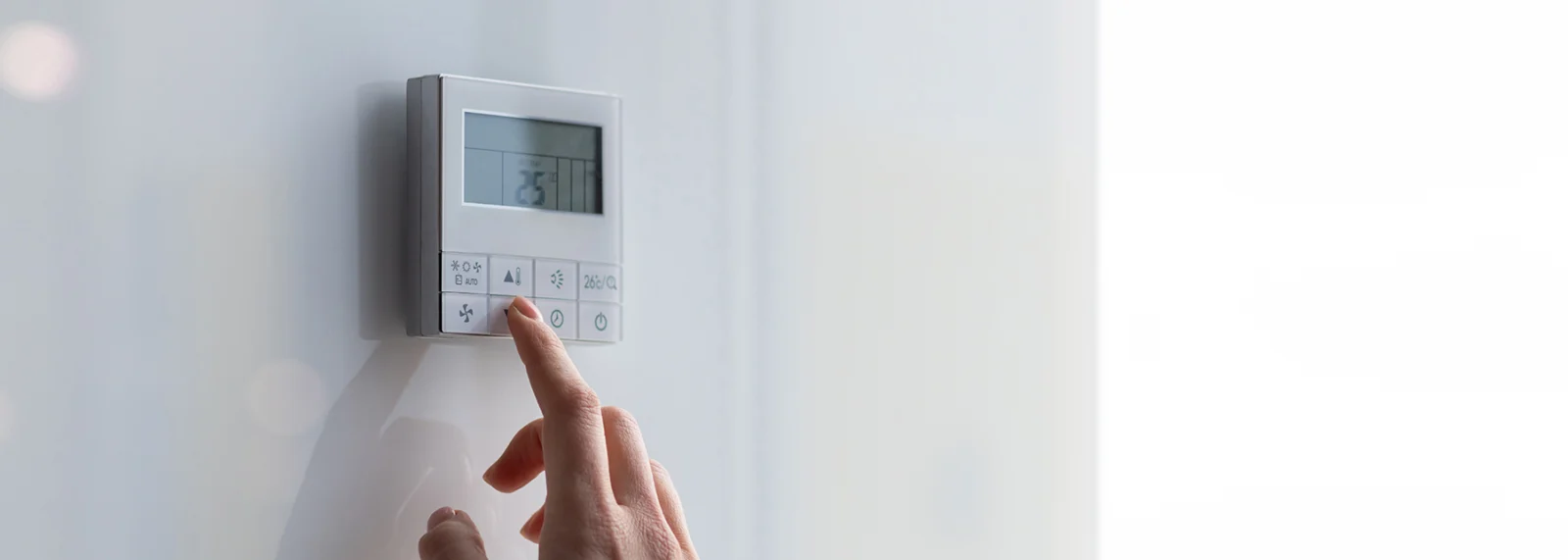
Replace the batteries if your thermostat uses them, confirm it’s set to Heat, and update any schedule you set back in the summer. The U.S. Department of Energy suggests keeping your home around 68°F to 70°F while you’re awake and setting it lower while you’re asleep or away. According to the DOE, turning your thermostat back 7 to 10 degrees for 8 hours a day can save as much as 10% a year on heating and cooling.
If you have a heat pump, be careful with big setbacks. The DOE notes that standard programmable thermostats generally aren’t recommended for heat pumps, because a large jump back up in the morning can bring on your backup heat, which costs more to run. Use smaller setbacks, raise the temperature a degree or two at a time, or use a smart thermostat designed for heat pumps.
4. Clear the outdoor unit
If you have a heat pump, the outdoor unit runs all winter. Rake away leaves and grass, trim back plants, and keep about two feet of open space around it so it can move air freely. Check that gutters and roof edges don’t drip onto it, since that water can freeze on the unit after a winter storm. Don’t cover a heat pump in winter.
5. Open your vents and returns
Walk through the house and make sure supply vents are open and return grilles aren’t blocked by furniture, rugs, or curtains. Closing vents in rooms you don’t use rarely saves money. It can raise pressure in your ductwork and make the system work harder.
6. Test your carbon monoxide and smoke alarms
If your home has a gas furnace, water heater, fireplace, or attached garage, this step matters most. The U.S. Consumer Product Safety Commission recommends a CO alarm on every level of your home and outside sleeping areas, with battery backup in case the power goes out.
7. Take a look around your furnace
In many North Texas homes, the furnace sits in an attic, garage, or hall closet that turns into storage over the summer. Move boxes, paint cans, and anything flammable away from it. If you have a high-efficiency furnace in an unheated attic or garage, its condensate drain line can freeze during a hard freeze. Water or ice around the line, or a furnace that keeps shutting itself off, is a reason to call.
Furnace or heat pump: what’s different to check?
Gas furnaces
Safety comes first. The CPSC recommends a professional inspection of fuel-burning heating equipment every year. Between visits, watch for a burner flame that looks yellow instead of blue, soot around the furnace, or a furnace that cycles on and off quickly. If you smell gas, leave your home and call 911 or your gas utility from outside. If your CO alarm sounds, get everyone outside to fresh air and call 911.
Heat pumps
A heat pump heats and cools, so it gets more use than an air conditioner alone. In cold weather it will run long cycles, go into defrost mode now and then, and occasionally bring on backup heat. All of that is normal. Know where your emergency heat setting is, but use it only if the outdoor unit stops working or ices over. Our heat pump winter guide covers what’s normal and what isn’t.
What a professional heating tune-up should include
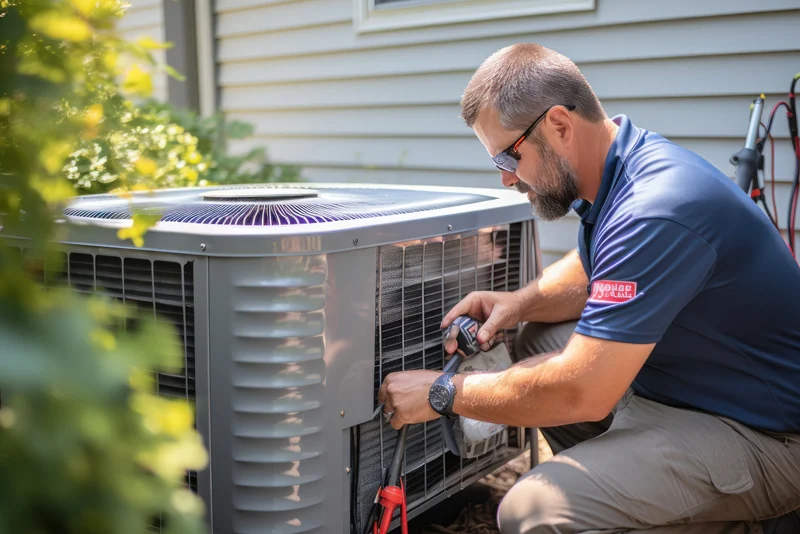
The checklist above handles the easy parts. A technician checks the things you can’t see or safely touch. A thorough heating tune-up should include:
- A safety check of heating components, including gas connections, venting, and the burners and ignition on a gas furnace
- A system performance check to confirm the system is producing the heat it should
- Heat pump checks of the defrost controls and backup heat, so they work when the temperature drops
- Thermostat calibration so the temperature on the screen matches your home
- An airflow and duct inspection
- A filter change
It’s worth it. ENERGY STAR notes that dirt and neglect are the top causes of heating and cooling system failure and inefficiency. A fall tune-up is the easiest way to catch a weak part before it leaves you without heat on the coldest night of the year. For the full year-round picture, see our HVAC maintenance schedule for North Texas.
Book your heating tune-up
Fall appointments fill up fast once the first cold front is in the forecast. Schedule your heating tune-up online or call 817-863-1841. If your heat is already giving you trouble, see our heating and furnace repair services. Want your tune-ups on the calendar every year? Our Total Comfort Maintenance Plan includes a fall heating visit.
Frequently asked questions
When is the best time to schedule a heating tune-up in North Texas?
October or November, before the first hard freeze. Earlier appointments are easier to get, and any repairs can be handled before you need the heat.
Do I need a heating tune-up if I have a heat pump?
Yes. A heat pump runs in both summer and winter, so it gets more total use than an air conditioner. The fall visit checks the heating side, including the defrost controls and backup heat.
What temperature should I set my thermostat to in winter?
The Department of Energy suggests around 68°F to 70°F while you’re home and awake, and lower while you’re asleep or away. With a heat pump, keep setbacks small so your backup heat doesn’t kick on every morning.
Should I cover my outdoor unit in winter?
Not if it’s a heat pump. It runs all winter and needs open airflow. If you have an air conditioner paired with a gas furnace, avoid wrapping it in plastic, which can trap moisture. Keeping it clear of debris is enough.
Is it normal to smell burning when I first turn on the heat?
A brief dusty smell the first time the heat runs each season is normal and should fade quickly. If the smell lingers, gets stronger, or smells like gas, turn the system off and call for service. If you smell gas, leave your home first and call 911 or your gas utility from outside.
Maverick Air Conditioning provides heating tune-ups and repair for homes in Azle, Springtown, Weatherford, Aledo, and across Parker, Tarrant, and Wise counties.